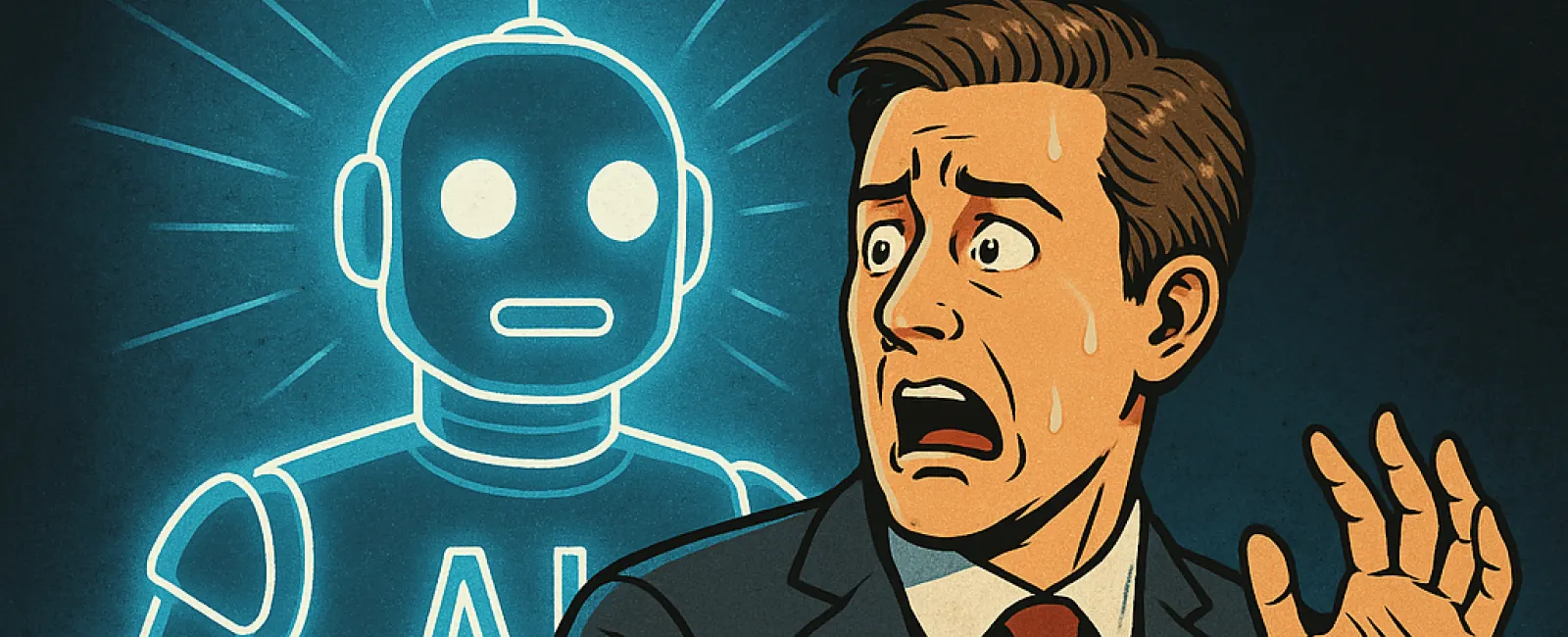
The rise of AI is transforming business operations at an astonishing pace. While this revolution offers exciting opportunities, it also poses risks—especially since cybercriminals have equal access to advanced AI technology. Let's expose some hidden dangers that every company should be aware of.
Beware of Impostors in Your Video Meetings - The Threat of Deepfakes
Deepfake technology, powered by AI, has reached a frightening level of realism. Cyber attackers exploit these convincing fake video personas to execute sophisticated social engineering attacks targeting businesses.
For instance, a security firm recently documented a case where an employee at a cryptocurrency foundation was deceived during a Zoom call by several fabricated video feeds impersonating senior executives. These deepfakes instructed the employee to install a Zoom extension granting microphone access, enabling a North Korean hacking group to infiltrate the system.
These scams are disrupting traditional verification methods. To defend yourself, watch for signs like unnatural facial movements, extended silences, or inconsistent lighting in video calls.
Watch Out for Sneaky Phishing Emails - AI is Upgrading Their Tactics
Phishing emails have long threatened organizational security. Now, with AI composing these messages, the classic giveaways like poor grammar or spelling mistakes are no longer reliable indicators.
Additionally, attackers use AI tools to automate translating phishing emails and landing pages into multiple languages, scaling their attacks globally.
Despite these advancements, core protective measures remain effective. Strong security protocols like multifactor authentication (MFA) create an extra barrier that hackers can't easily bypass without access to your personal devices. Continuous security awareness training empowers employees to spot urgent or suspicious messaging tactics that often accompany these AI-generated phishing attempts.
Beware Fake AI Software - Malware Masquerading as Tools
Cybercriminals exploit the AI craze by distributing malicious software disguised as popular AI applications. These counterfeit "AI video generators" or similar tools often contain hidden malware designed to compromise your devices.
For example, a TikTok campaign promoted ways to install "cracked" software to bypass licensing for apps like ChatGPT using PowerShell commands. Behind the scenes, this campaign actually distributed malware, as uncovered by security researchers.
To protect your business, consistent security awareness training is crucial. Plus, always have your managed service provider (MSP) vet any new AI tools before installation to ensure they're safe.
Ready to Eliminate AI-Driven Threats From Your Business?
Don't let AI-powered cyber threats disrupt your peace of mind. From deepfakes and phishing emails to malicious AI software, attackers are evolving—but with the right defense strategies, you can stay protected and keep your company secure.Click here or give us a call at 866-523-2985 to schedule your free 15-Minute Discovery Call today and let's talk through how to protect your team from the scary side of AI ... before it becomes a real problem.