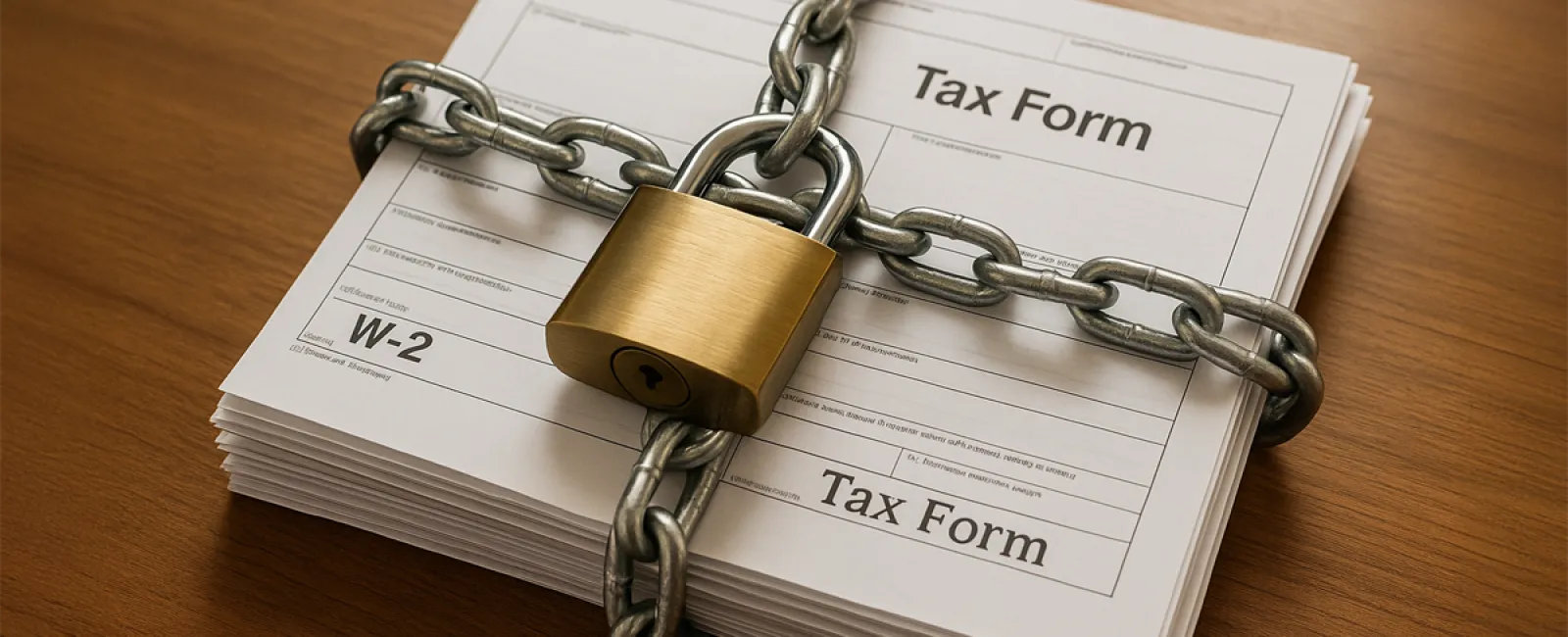
February is here and tax season is in full swing. Your accountant is busier than ever, your bookkeeper is gathering important documents, and everyone's focus is on W-2s, 1099s, and those looming deadlines.
However, what rarely makes it onto any calendar is the first significant tax season headache: the scam.
One scam in particular arrives early—often before April—because it's simple, convincing, and aggressively targets small businesses. It might already be lurking in someone's inbox at your company.
Unmasking the W-2 Scam: A Step-by-Step Breakdown
Here's how this common scam unfolds:
Typically, an employee responsible for payroll or HR receives an email that appears to come from the CEO, owner, or a top executive.
The message is brief and urgent:
"I need copies of all employee W-2s for a meeting with the accountant. Please send them ASAP—I'm swamped today."
The tone sounds authentic. The urgency feels natural during tax season, and the request appears perfectly reasonable.
So, the employee complies and sends the W-2 forms.
But here's the catch: the email wasn't from your CEO. It originated from a criminal using a forged address or a deceptive domain.
Now, that criminal has access to every employee's:
• Legal full name
• Social Security number
• Home address
• Salary details
All the information needed to steal identities and file false tax returns long before your employees file theirs.
Consequences of Falling Victim
This is typically how the damage becomes apparent:
Your employee files their return only to have it rejected with a "Return already filed for this Social Security number" message.
Someone else has already filed in their name and claimed their refund.
Your employee then faces the daunting task of dealing with the IRS, managing credit monitoring, seeking identity theft protection, and navigating months of frustrating paperwork—all stemming from a document they unknowingly shared.
Now scale this issue across your entire payroll. Imagine the challenge of explaining to your staff that their personal data was compromised because of a single deceptive email.
This is more than a security breach—it's a crisis of trust, an HR dilemma, the spark for potential litigation, and a blow to your company's reputation.
Why the W-2 Scam Is So Effective
This is not an obvious phishing attempt. At first glance, it appears legitimate.
The scam succeeds because:
The timing is impeccable—W-2 requests are expected in February, so the ask feels routine.
The request is reasonable—not an outrageous demand like "wire $50,000" or "purchase gift cards."
The urgency seems natural—"I'm slammed today, please send this quickly" fits the busy office atmosphere.
The sender looks authentic—criminals research their targets, knowing CEOs and accountants' names to make the email convincing.
Employees want to help—especially when requests seem to come from leadership, causing urgency to override caution.
Steps to Shield Your Business Before the Scam Hits
The good news: you can prevent this. The key is establishing strict policies and fostering a security-first culture, not just relying on technology.
Implement a strict "no W-2s via email" rule without exceptions. Sensitive payroll documents should never leave your premises by email. If anyone requests them via email, the answer must be "no," even if it appears to come from the CEO.
Always verify sensitive requests through an independent channel—call, in-person confirmation, or secure chat. Use known contact numbers, never those included in suspicious emails. This simple step takes just 30 seconds but can save months of recovery.
Hold a brief tax scam awareness session with payroll and HR staff immediately. Inform them about the spike in scams, what these look like, and the steps to take. Knowledge is your most affordable defense.
Secure all payroll and HR systems with multi-factor authentication (MFA). If login credentials are compromised, MFA acts as a critical last line of defense.
Encourage a culture where verification is praised, not punished. Employees who double-check unusual requests—even those that appear to be from the CEO—should be applauded. When vigilance is rewarded, scammers find no hiding place.
These five straightforward rules can be implemented within days and are powerful enough to block the initial wave of attacks.
Looking Beyond the W-2 Scam
The W-2 scam is just the beginning.
Between now and April, expect a surge in tax-related cyber attacks including:
• Fake IRS notices demanding immediate payments
• Phishing emails disguised as critical tax software updates
• Spoofed messages appearing to come from your accountant containing harmful links
• Fraudulent invoices crafted to mimic legitimate tax expenses
Cybercriminals thrive during tax season because distractions run high, operations accelerate, and financial requests seem typical.
Businesses that emerge unscathed aren't lucky—they are prepared.
They enforce solid policies, provide employee training, and use systems designed to detect and halt suspicious requests before damage occurs.
Is Your Business Prepared for Tax Season Threats?
If robust policies are already in place and your team is alert to these scams, you're ahead of most small businesses.
If not, now is the critical time to act—don't wait for the first attack to happen.
If this sounds like your situation, book a quick 15-minute Tax Season Security Review with us.
During this session, we'll examine:
• Payroll and HR system access controls and MFA
• Your policies around W-2 request verification
• Email filtering tools that detect spoofing attempts
• One essential policy adjustment most businesses overlook
If you're confident you're secure, fantastic. But if you know another business owner who might be at risk, please share this article—it could save them from an expensive disaster.
Click here or give us a call at 866-523-2985 to schedule your free 15-Minute Discovery Call.
Because tax season is challenging enough—don't let identity theft make it worse.